
 ChatGPT
 Claude
 Google AI
 Gemini
 Perplexity
 Copilot
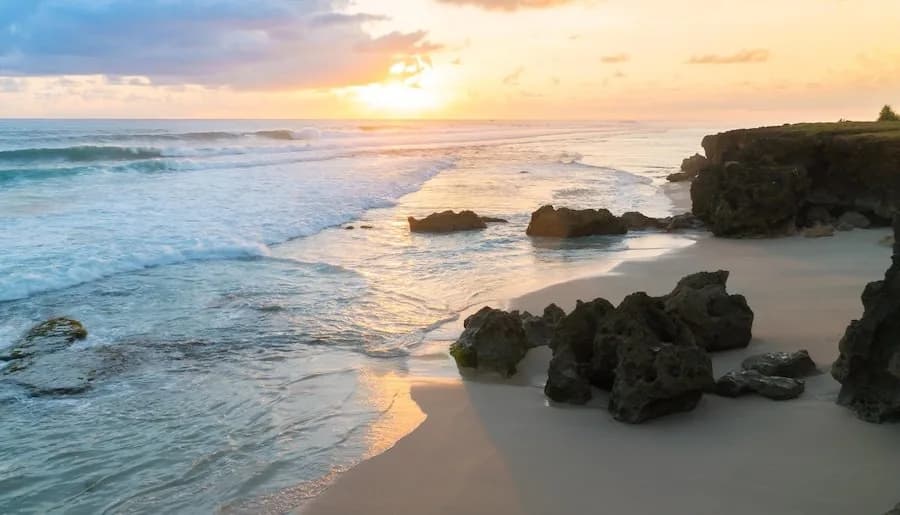
The best time to visit Sumba is the dry season, from May to October. Days are sunny, the sea is calm and the roads are easier to drive. June to August is the pick for beaches, because the heat is softened by a steady breeze.
Sumba is hot all year, so the real choice is between dry and wet. Below is the weather month by month, then the best months for beaches, surf, snorkelling, diving, culture and waterfalls.
Quick Summary
| Planning Detail | What to Know |
| Best overall | May to October, the dry season |
| Best for beaches | June to August |
| Wettest months | December to March |
| Temperature | Highs of 31 to 33°C all year |
| Sea temperature | 27 to 29°C, warm enough to swim all year |
| Pasola festival | Usually late February to March, dates confirmed locally |
Sumba Weather Month by Month
Temperatures barely change through the year. Rain is what changes: most of it falls from December to March, and August and September are almost dry. Sumba is one of the drier islands in Indonesia, with about 810 mm of rain a year on the north coast.
Average rainfall in Sumba by month (mm)
Dry seasonWet season
| Month | Jan | Feb | Mar | Apr | May | Jun | Jul | Aug | Sep | Oct | Nov | Dec |
|---|---|---|---|---|---|---|---|---|---|---|---|---|
| Average high (°C) | 32 | 32 | 32 | 32 | 32 | 31 | 31 | 31 | 32 | 33 | 33 | 33 |
| Average low (°C) | 24 | 24 | 24 | 23 | 23 | 22 | 21 | 20 | 22 | 23 | 24 | 24 |
| Rain (mm) | 170 | 160 | 145 | 71 | 36 | 25 | 10 | 5 | 5 | 10 | 41 | 135 |
| Rainy days | 13 | 13 | 11 | 9 | 6 | 4 | 3 | 1 | 1 | 2 | 6 | 11 |
| Sunshine (hours a day) | 6.5 | 6 | 7 | 8.5 | 9 | 9 | 9 | 9.5 | 9.5 | 9.5 | 8.5 | 7 |
| Sea temperature (°C) | 29 | 29 | 29 | 29 | 28 | 28 | 27 | 27 | 27 | 28 | 29 | 29 |
The hills inland get a little more rain than the coast. Nights are coolest from June to August, when lows can drop to around 20°C, so a light jumper helps in the evening.
Best Time to Visit Sumba For…
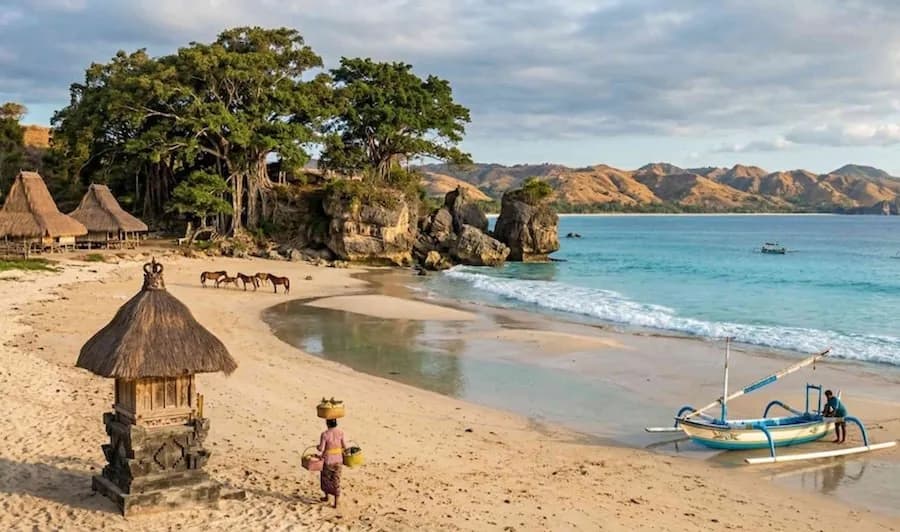
Beaches and sunsets: June to August
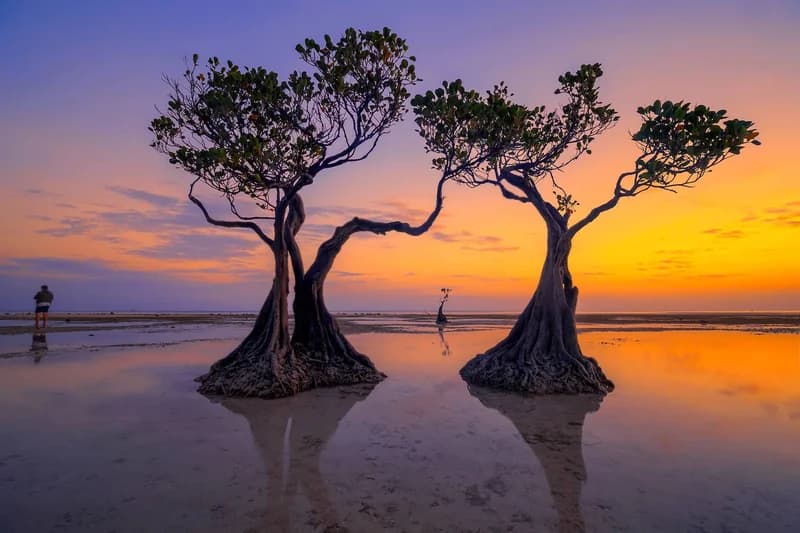
These months have the most sunshine, clear skies and a cooling breeze. Clear evenings also suit the sunset at Walakiri Beach, where the mangrove trees stand in the shallows at low tide.
Surfing: May to September
This is when swell is most reliable and the winds blow offshore. The biggest waves usually come in July and August. See our Sumba surf guide for the breaks.
Snorkelling: April to October
The drier months are the easiest time to plan time in the water. Conditions still depend on the beach, swell, wind and tide, so stay flexible once you arrive. Read our Sumba snorkelling guide.
Diving: mid-November to April
The west monsoon months are widely seen as the best window for diving. The best dives still come down to waiting for the right day. More in our Sumba diving guide.
Culture and the Pasola festival: February to March
Pasola, the ritual where mounted riders throw spears, is usually held from late February to March. The dates are not fixed and are confirmed locally close to the time, so plan with some room. Villages and ikat weaving can be visited all year. See Sumba culture.
Waterfalls and green hills: the end of the wet season
The rains from December to March fill the rivers and turn the hills green. Some waterfalls run low or dry up late in the dry season, so March to May is a good time to see them flowing. See our Sumba waterfalls guide.
The Dry Season: May to October
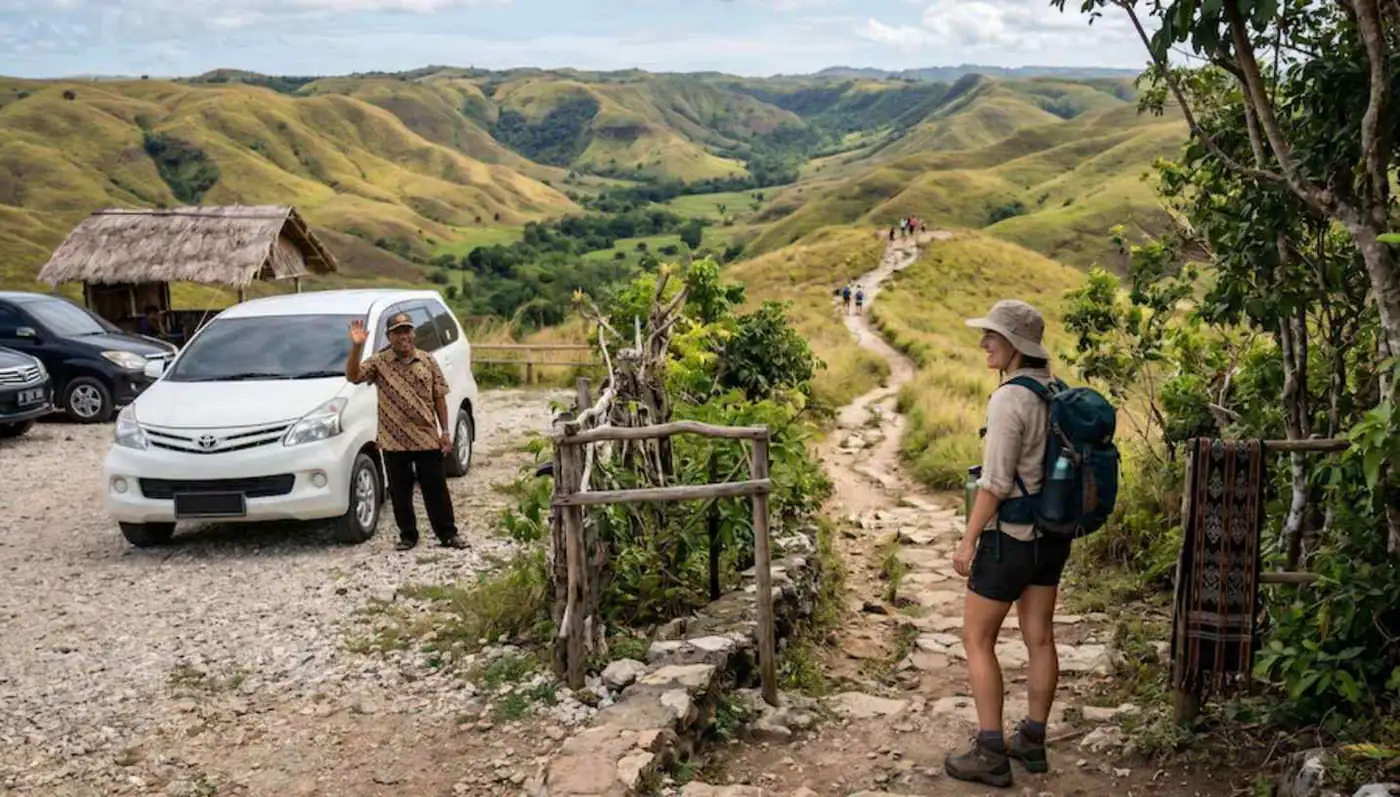
Expect 9 or more hours of sunshine a day and very little rain. Roads are dry, which matters on an island where drives are long and some routes are slow. The landscape turns golden and, in places, almost bare by September.
September and October are the hottest months, with highs of 33°C and some days of 35°C or more before the rains. July and August are the most popular months, so book stays and drivers early.
The Wet Season: November to April
Rain usually comes as showers and storms between sunny spells, not all-day downpours. It is humid and muggy, and heavy rain can flood roads and make them slippery, so allow extra time for drives.
Tropical cyclones can reach Sumba from November to mid-May, most often from January to mid-April. Check the forecast before you travel and keep your plans flexible. The upside is fewer visitors and green countryside.
Shoulder Months: April and November
April is a good compromise. The rain is easing, with about 71 mm over 9 rainy days, the countryside is still green and the waterfalls are flowing. The cyclone risk has not fully passed, so keep an eye on the forecast.
November is the start of the rains, with about 41 mm over 6 rainy days. It is one of the hottest months, the sea is at its warmest at 29°C, and the island is quiet before the wet season sets in.
What to Pack
Bring light clothes in natural fabrics, a sun hat and a scarf for the breeze. Add a light jumper for cool evenings from June to September, and a light raincoat or umbrella from December to March.