
Things to do in Sumba
Our Complete Guide to Attractions & Things to Do in Sumba
Explore Sumba's beaches, waterfalls, traditional villages, surf breaks, horse riding, local culture and outdoor experiences with practical guides for deciding what to see and where each stop fits into your trip.
 Featured guide
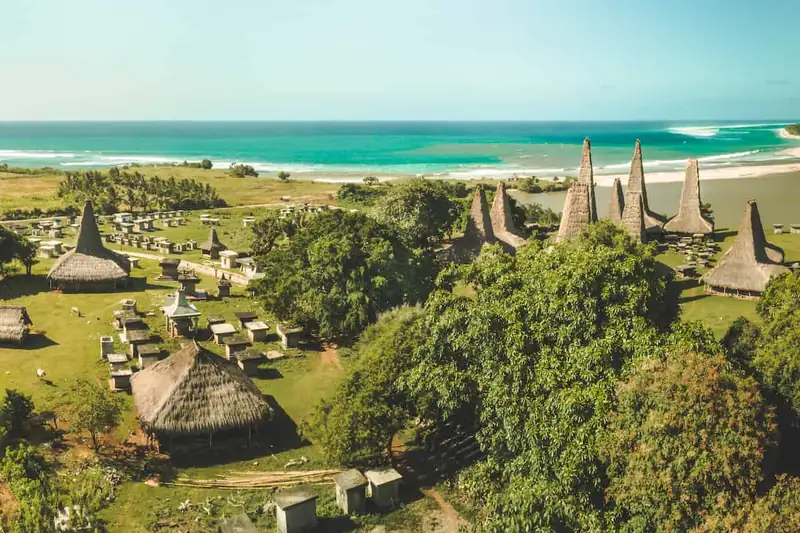
Ratenggaro Village Sumba: Traditional Houses, Stone Tombs and Visitor Guide
Ratenggaro Village Sumba is a living traditional village in Kodi Bangedo, Southwest Sumba, known for its soaring thatched-roof houses, hundreds of stone tombs and remarkable setting beside the coast and Waiha River mouth.
 Justin DallasUpdated 17 Sep 2026
Start With the Highlights
Explore by Destination

What to See & Do
What Are the Best Things to Do in Sumba?
The best things to do in Sumba include swimming at Weekuri Lagoon, visiting Ratenggaro Village, exploring waterfalls such as Lapopu and Tanggedu, watching sunset at Walakiri Beach, seeing the rolling landscape of Wairinding Hill and surfing experienced reef breaks such as Miller's Right.
These attractions are spread across a large island, so the best trip is not about collecting the longest list. Choose the experiences that sit near each other, allow realistic drive times and leave enough time to enjoy Sumba's quieter pace.
- 01Southwest Sumba
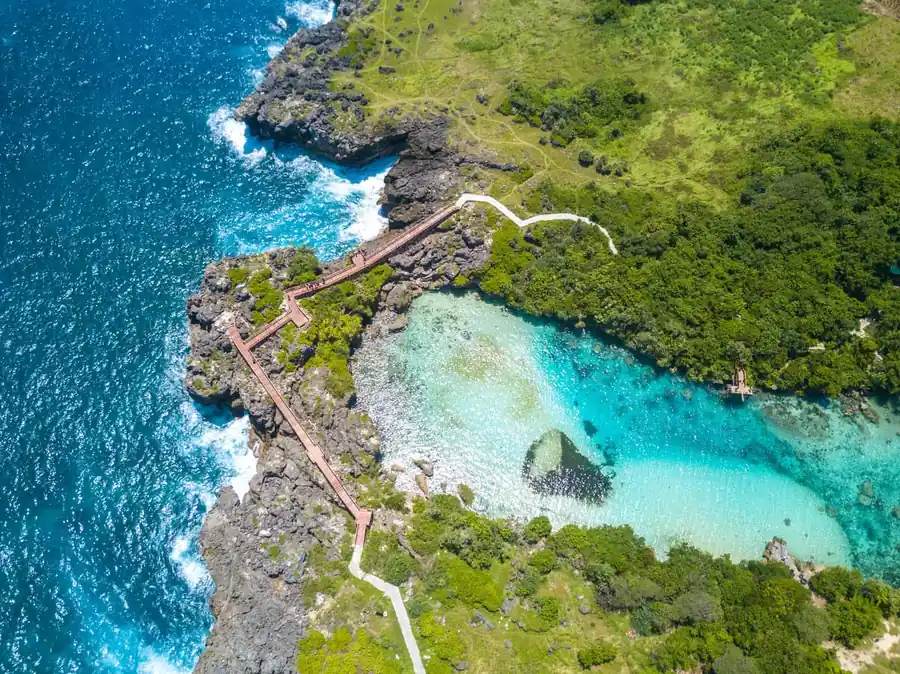
Swim at Weekuri Lagoon
A sheltered saltwater lagoon in Kodi known for calm swimming and blue-green water. Combine it with Mandorak Beach or Ratenggaro rather than driving out for one stop.
- 02Southwest Sumba
Visit Ratenggaro Village
See tall traditional houses, megalithic tombs and a living cultural landscape in Kodi Bangedo. Visit respectfully and use a local guide where possible for context.
- 03Nature & Landscapes
Explore Sumba's Waterfalls
Start with Lapopu in Manupeu Tanah Daru National Park, then consider Tanggedu or Waimarang if your route reaches East Sumba. Matayangu is the more demanding option.
- 04East Sumba
Watch Sunset at Walakiri Beach
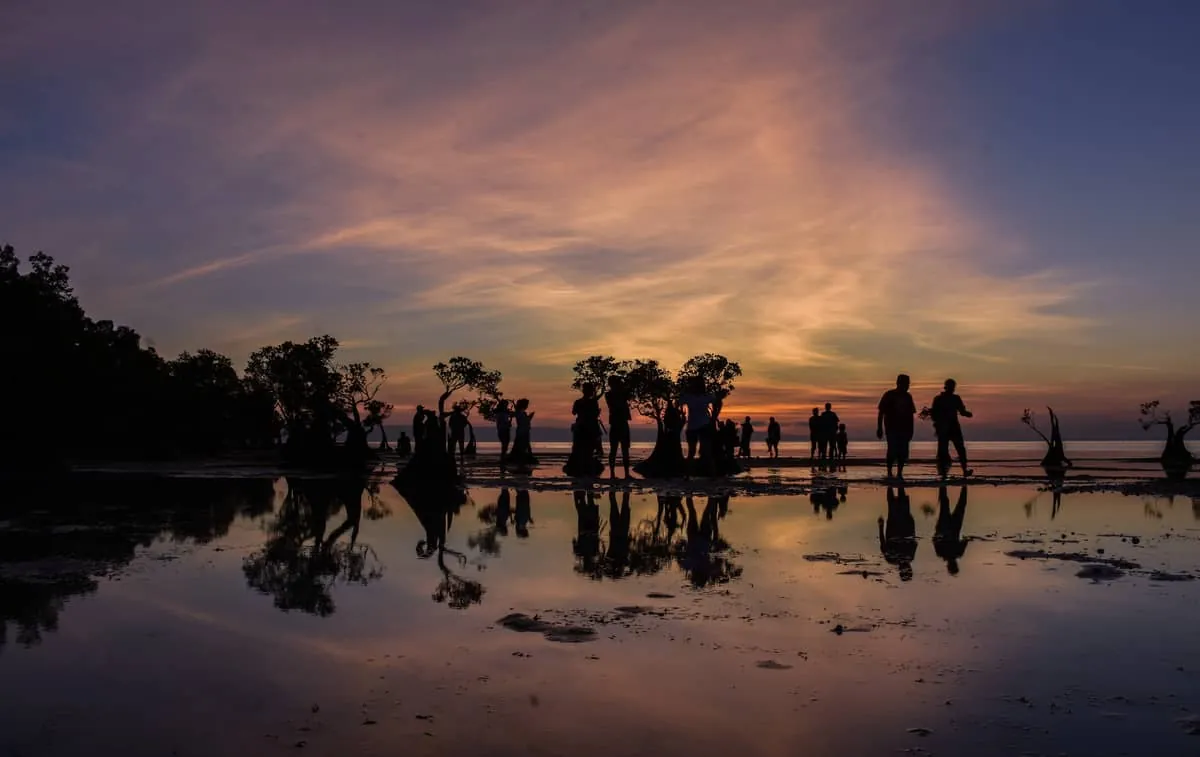
Walakiri is an easy coastal stop near Waingapu, best known for shallow tidal flats and wind-shaped mangroves. It is better for sunset and photography than a full-day swimming beach.
- 05East Sumba
See the Hills of Wairinding
Wairinding is one of the east's signature landscape stops, with wide rolling hills and open views. Pair it with other East Sumba attractions rather than making it a stand-alone cross-island trip.
- 06East Sumba
Surf Miller's Right
This right-hand reef break sits in Tarimbang Bay and is best for confident intermediate and advanced surfers. It is not a beginner break, especially when the swell becomes larger or more powerful.
Latest
New things to do
- Justin DallasUpdated 17 Sep 2026
Cultural Attractions
Ratenggaro Village Sumba: Traditional Houses, Stone Tombs and Visitor Guide
Ratenggaro Village Sumba is a living traditional village in Kodi Bangedo, Southwest Sumba, known for its soaring thatched-roof houses, hundreds of stone tombs and remarkable setting beside the coast and Waiha River mouth.
 Justin DallasUpdated 17 Sep 2026
Ocean & Beaches
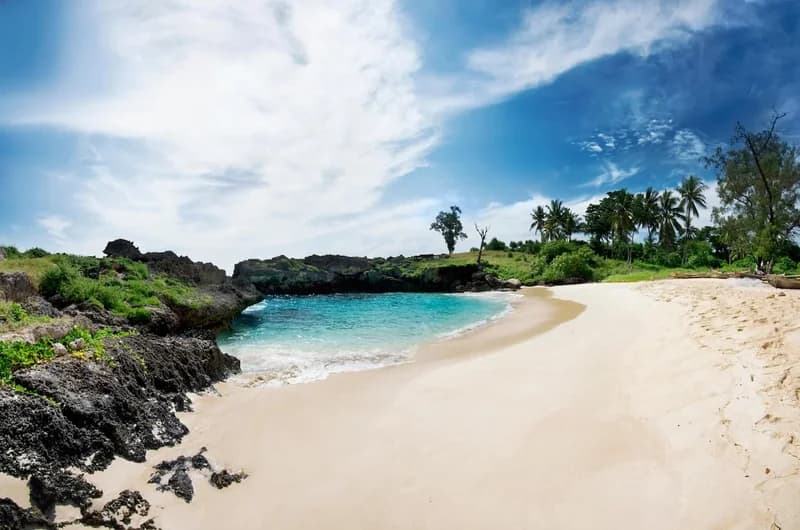
Mandorak Beach Sumba: What to Expect, Best Time to Visit and Swimming Tips
Mandorak Beach Sumba is a tiny white-sand cove in Kalenarongo Village, Kodi Utara, known for clear turquoise water and two dramatic coral rock formations that frame a narrow opening to the Indian Ocean.
 Justin DallasUpdated 13 Aug 2026
Snorkelling & Water Activities
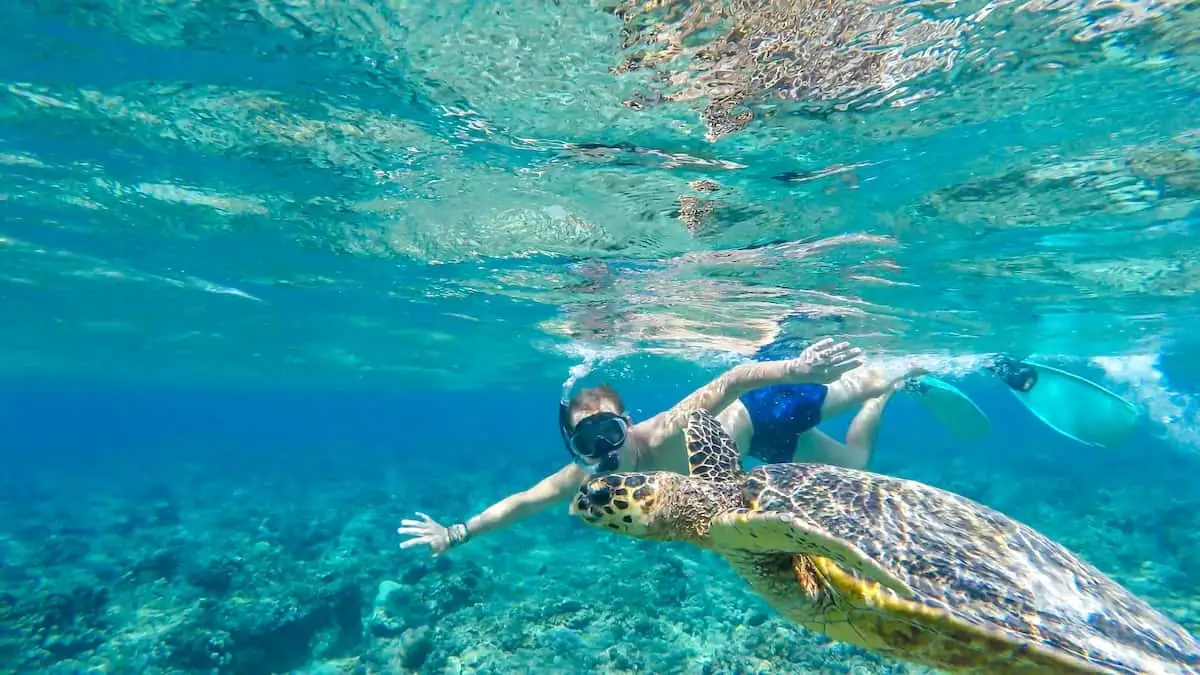
Sumba Snorkelling: Best Places to Snorkel on the Island
Sumba snorkeling is best around clear coastal reefs, sheltered lagoons and beaches where calm conditions provide good underwater visibility.
 Justin DallasUpdated 23 Jul 2026
Ocean & Beaches
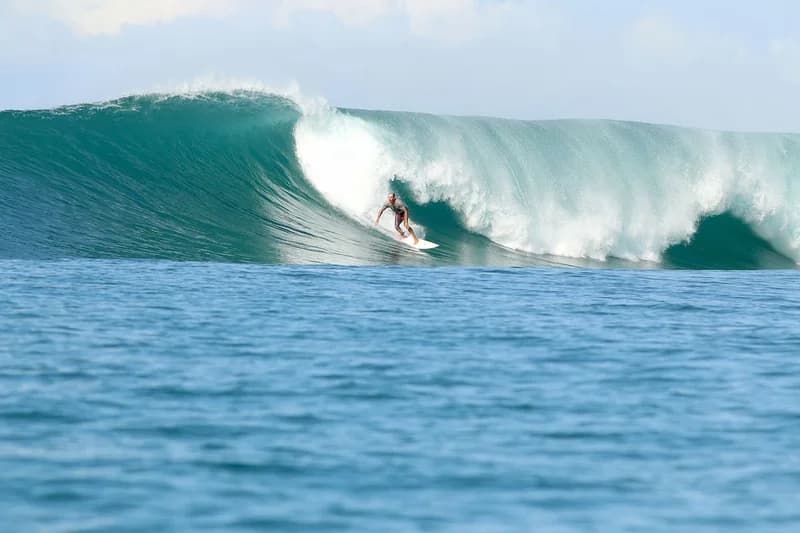
Miller's Right Sumba: Surf Guide, Best Conditions and Travel Tips
Miller's Right Sumba is a long right-hand reef wave in Tarimbang Bay, known for fast sections, open carving walls and occasional barrels.
- Justin DallasUpdated 22 Jul 2026
Ocean & Beaches
Weekuri Lagoon Sumba: What to Expect, Best Time to Visit and Swimming Tips
Weekuri Lagoon Sumba, also called Waikuri Lagoon or Weekuri Lake, is a clear coastal pool known for calm swimming, blue-green water and its setting beside the Indian Ocean.
 Justin DallasUpdated 17 Jul 2026
Nature & Landscapes
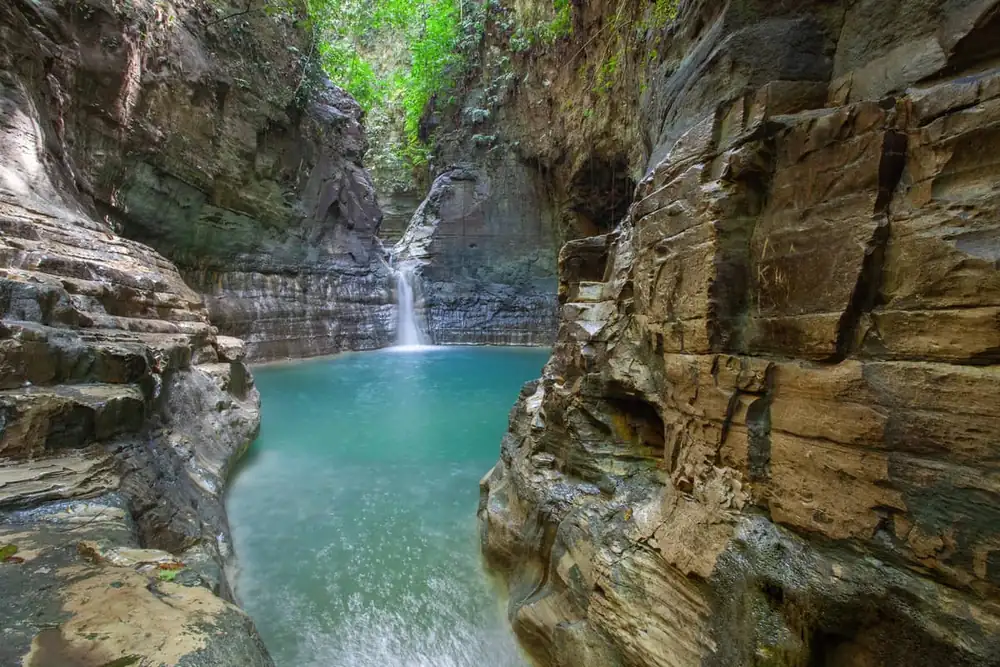
Sumba Waterfalls: The Best Waterfalls to Visit on Sumba Island
Sumba waterfalls offer everything from wide jungle cascades to clear natural pools hidden between limestone cliffs.
Explore by Interest
Find the Sumba Experiences That Suit You
Adventure & Active Experiences
Sumba rewards travellers who want to be outside. Horse riding in Lamboya can cross rivers, hills and village landscapes, while remote surf trips take you to reef breaks such as Miller's Right. Match the activity to your experience level, weather and local conditions.
Miller's Right Sumba
Miller's Right Sumba is a long right-hand reef wave in Tarimbang Bay, known for fast sections, open carving walls and occasional barrels.
Justin DallasUpdated 23 Jul 2026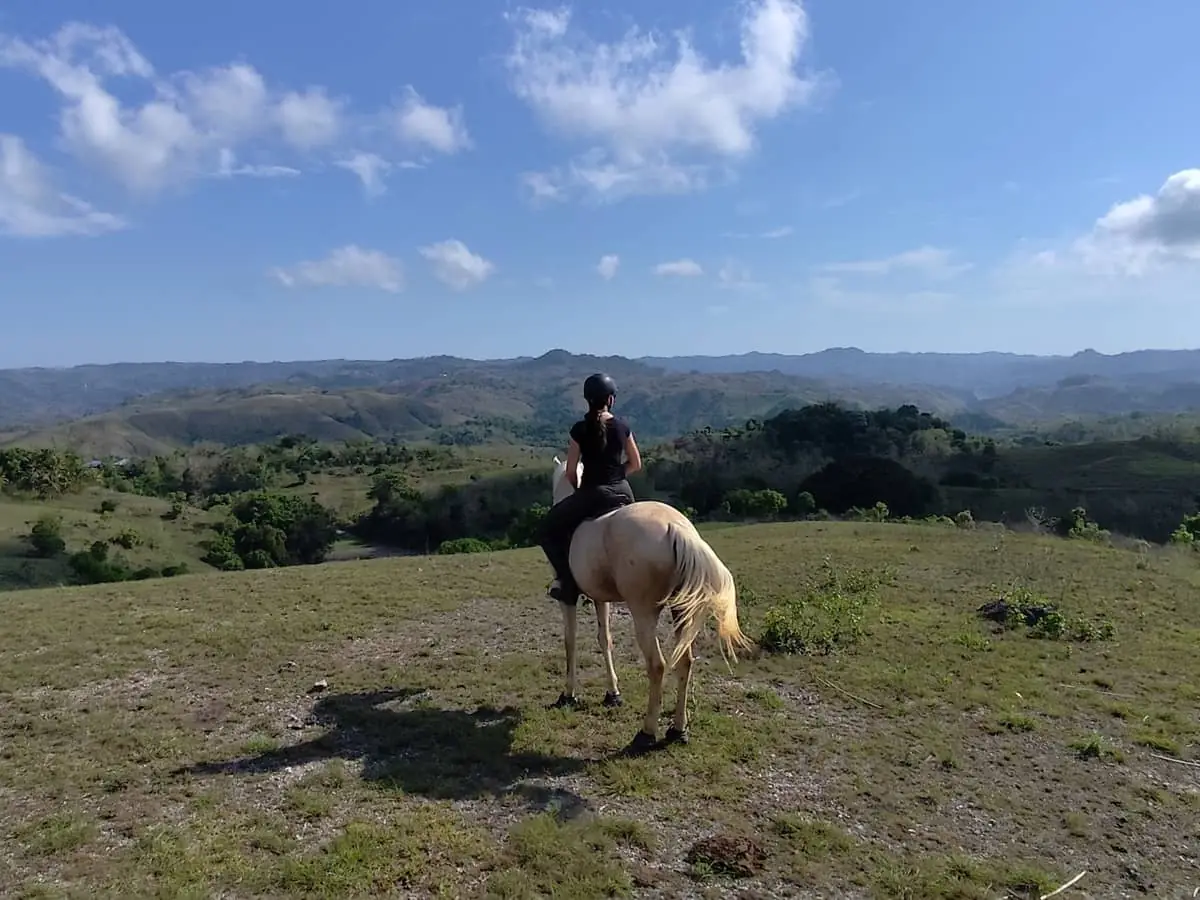
Horse Riding Sumba
Sumba horse riding is a rare way to explore the island at a slower pace, crossing hills, rivers, forests and coast.
Justin DallasUpdated 13 Aug 2026
Cultural Attractions
Sumba's cultural heritage remains strong through traditional villages, megalithic tombs, Marapu beliefs, ikat weaving and ceremonies such as Pasola. Visit slowly, ask before photographing people or sacred spaces, and use a local guide when you want the stories behind what you are seeing.
Ratenggaro Village Sumba
Ratenggaro Village Sumba is a living traditional village in Kodi Bangedo, Southwest Sumba, known for its soaring thatched-roof houses, hundreds of stone tombs and remarkable setting beside the coast and Waiha River mouth.
Justin DallasUpdated 17 Sep 2026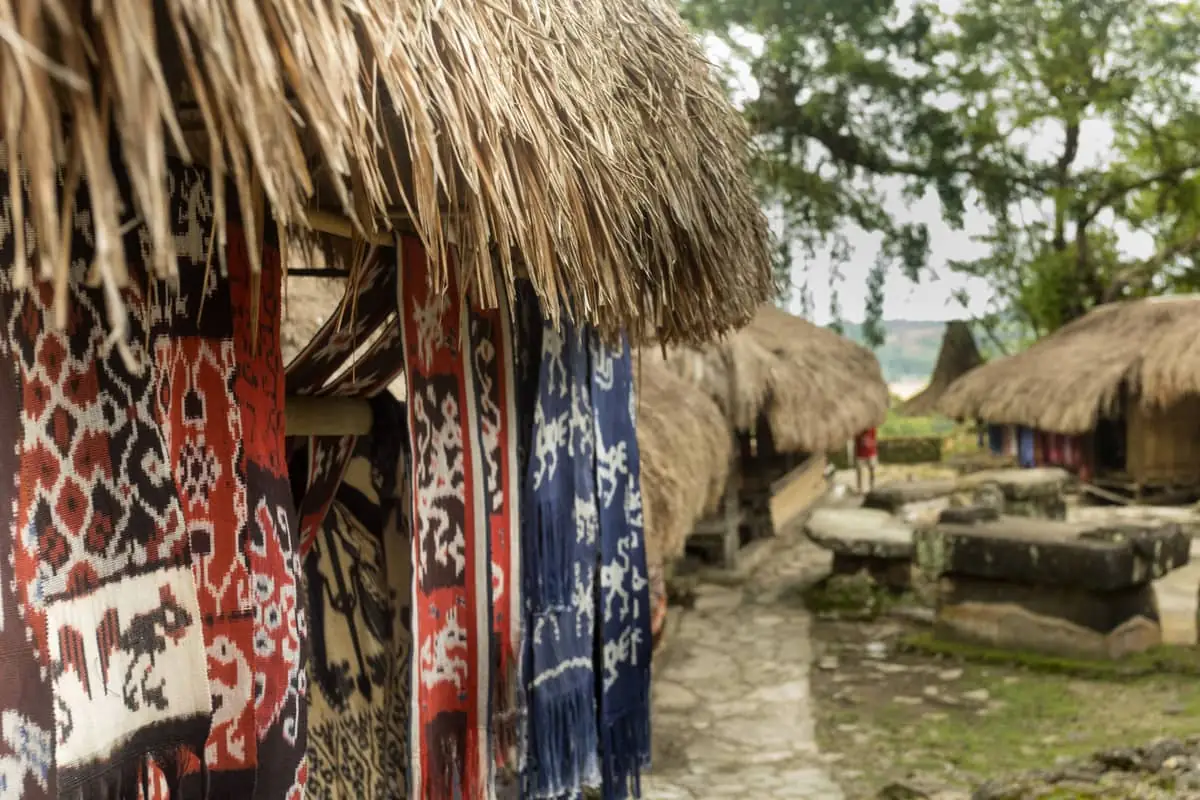
Ikat Sumba Weaving
Ikat Sumba weaving is one of the most meaningful cultural experiences travellers can discover on the island.
Justin DallasUpdated 25 Jun 2026
Nature & Landscapes
Waterfalls, limestone pools, rolling hills, savannah and forest are central to the Sumba experience. Lapopu, Tanggedu, Waimarang and Matayangu all require different levels of effort, while places such as Wairinding are easier scenic stops. Check access and weather before committing to remote routes.
Sumba Waterfalls
Sumba waterfalls offer everything from wide jungle cascades to clear natural pools hidden between limestone cliffs.
Justin DallasUpdated 17 Jul 2026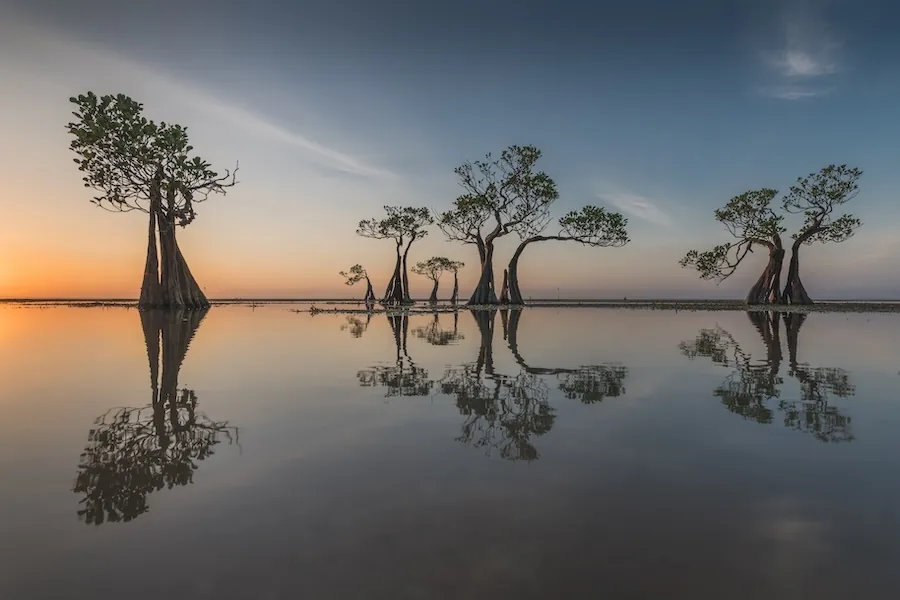
Where Sunset Meets the Dancing Trees of Sumba
The Dancing Trees of Sumba are wind-shaped mangrove trees located at Walakiri Beach in East Sumba, about 30 minutes from Waingapu.
Justin DallasUpdated 18 Mar 2026
Ocean & Beaches
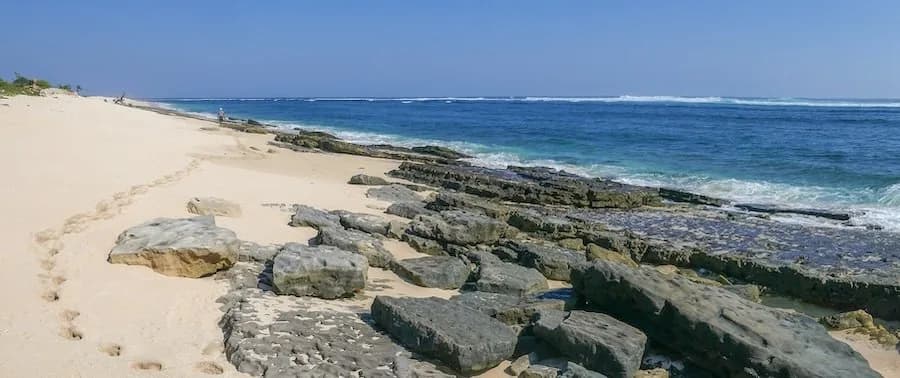
Sumba's coastline changes from calm lagoons and tidal flats to exposed surf beaches and cliff-backed coves. Weekuri is one of the easier swimming stops, Walakiri is best for sunset, while Mandorak and Mbawana are stronger choices for dramatic coastal scenery than guaranteed swimming.
Weekuri Lagoon Sumba
Weekuri Lagoon Sumba, also called Waikuri Lagoon or Weekuri Lake, is a clear coastal pool known for calm swimming, blue-green water and its setting beside the Indian Ocean.
Justin DallasUpdated 22 Jul 2026
Mandorak Beach Sumba
Justin DallasUpdated 17 Sep 2026
Miller's Right Sumba
Justin DallasUpdated 23 Jul 2026
Walakiri Beach Sumba
Justin DallasUpdated 25 Jun 2026
Marosi Beach Sumba
Justin DallasUpdated 30 Oct 2026
Snorkeling & Other Water Activities
Snorkelling & Water Activities
Water activities in Sumba need realistic expectations. Weekuri is better for relaxed swimming than serious snorkelling, while diving remains lightly developed with limited operators and changing ocean conditions. Arrange diving through reliable local contacts and never assume clear water means a beach is safe to enter.
Sumba Snorkelling
Sumba snorkeling is best around clear coastal reefs, sheltered lagoons and beaches where calm conditions provide good underwater visibility.
Justin DallasUpdated 13 Aug 2026
- Ocean & BeachesWeekuri Lagoon Sumba: What to Expect, Best Time to Visit and Swimming TipsWeekuri Lagoon Sumba, also called Waikuri Lagoon or Weekuri Lake, is a clear coastal pool known for calm swimming, blue-green water and its setting beside the Indian Ocean.Justin DallasUpdated 22 Jul 2026
 Snorkelling & Water ActivitiesSumba Diving: Explore Ocean Life Beyond the BrochuresDiving in Sumba is not a plug-and-play destination like Bali or Komodo.Justin DallasUpdated 29 Mar 2026
Food & Cuisine
Food & Cuisine
Food in Sumba is shaped by local produce and what is available seasonally, including fish, cassava, young coconut and local greens. Dining choices thin out quickly away from the main towns and resorts, so food stops are worth planning rather than assuming every attraction has restaurants nearby.
Explore Food & DrinkRest & Relaxation
Rest & Relaxation
Not every Sumba day needs a long drive. Build slower time around sheltered water, quiet beaches and accommodation with enough space to enjoy the setting. Weekuri works well for floating and swimming, while Sumba's remote coast also rewards travellers who simply want fewer organised activities.
Surfing
Surfing in Sumba
Sumba is best known among surfers for powerful, relatively remote reef breaks rather than easy surf-school infrastructure. Miller's Right in Tarimbang Bay is suited to confident intermediate and advanced surfers, with the most consistent swell generally arriving from April to October. Always check local conditions first.
View Surfing GuidesWildlife
Wildlife & Birdlife
Sumba has genuine wildlife value beyond its horses. Manupeu Tanah Daru National Park protects habitat for endemic birds including the Sumba hornbill and Sumba green pigeon, while savannah and rural landscapes add further opportunities for birdwatching and animal sightings as part of a wider nature day.
Explore Sumba
Things to Do by Destination
Choose the side of Sumba you are planning to see and use the highlights below to build a route with less unnecessary driving.
Tambolaka & Kodi
Southwest Sumba
Kodi is one of the strongest areas for combining very different experiences in a single route. Weekuri Lagoon, Mandorak Beach and Ratenggaro Village all sit in Southwest Sumba, while Mbawana rewards travellers with more time for a slower coastal day.
- Weekuri LagoonCalm saltwater swimming in Kodi Utara.
- Mandorak BeachA dramatic coastal stop close to Weekuri.
- Ratenggaro VillageTraditional houses and megalithic tombs in Kodi Bangedo.
- Mbawana BeachA more remote Kodi Bangedo beach for dramatic coastal scenery.
How we would plan it: Use Ratenggaro, Weekuri and Mandorak for a realistic one-day Kodi loop. Add Mbawana or quieter coastal stops only when you have a second day and enough time for changing road conditions.
Things to Do in KodiWhere to stay
Where to stay in Sumba
- HotelsIn the three main towns
- ResortsDining, spa and activities
- Surf campsClose to the breaks
- Villas and guest housesSmall, close to village life
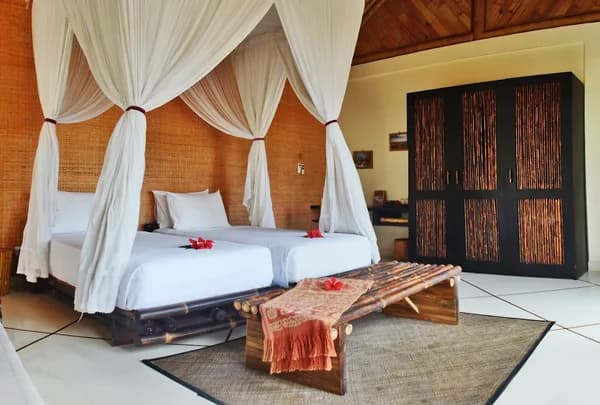 Eco resort
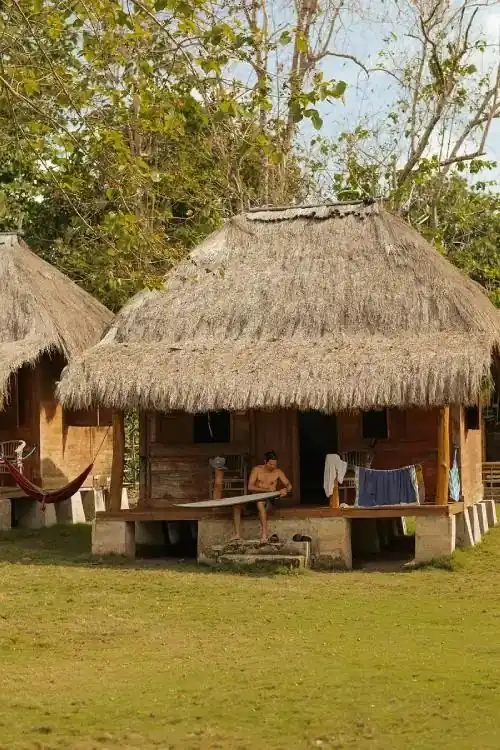 Eco lodge
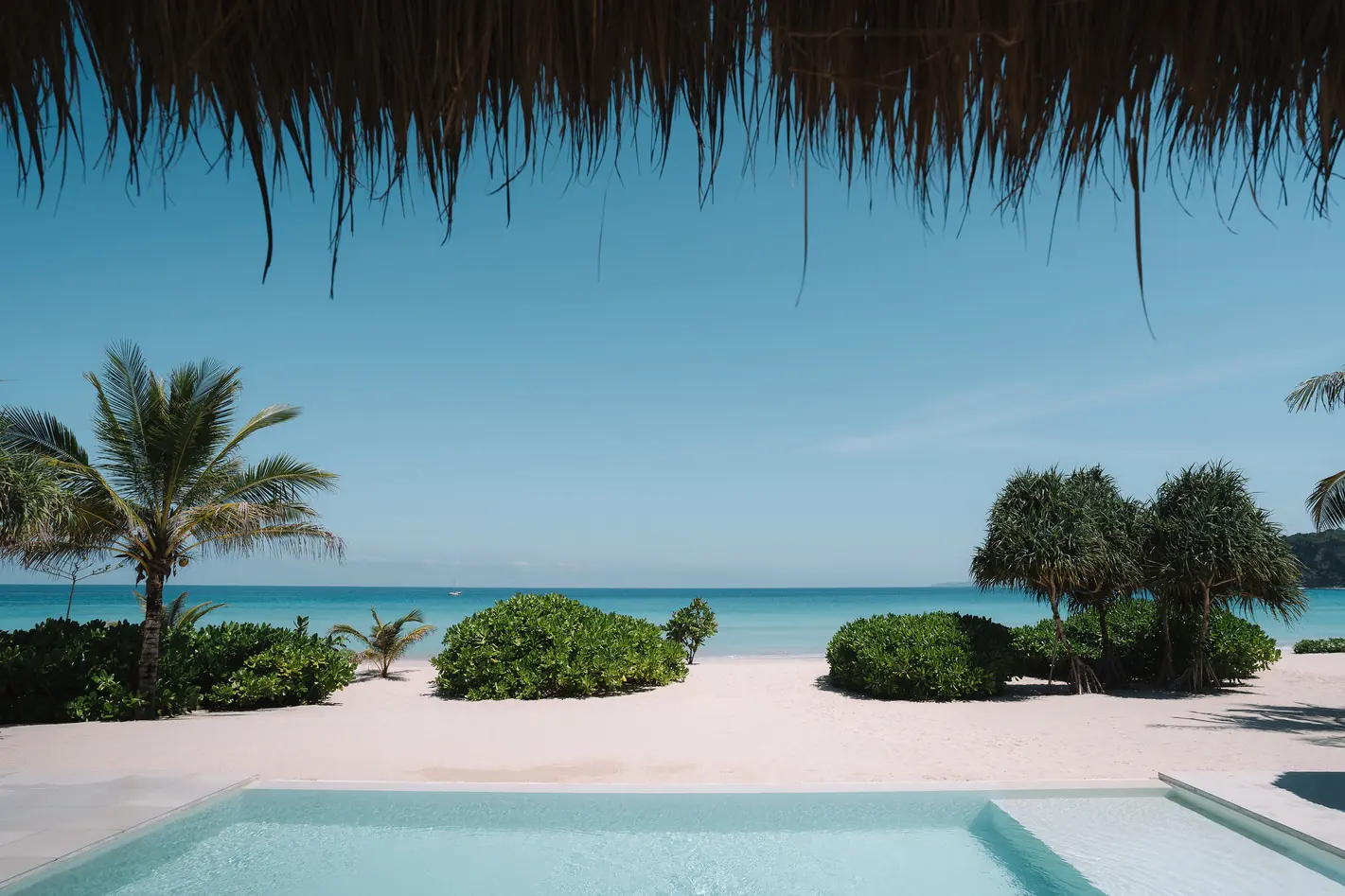 Beach resort
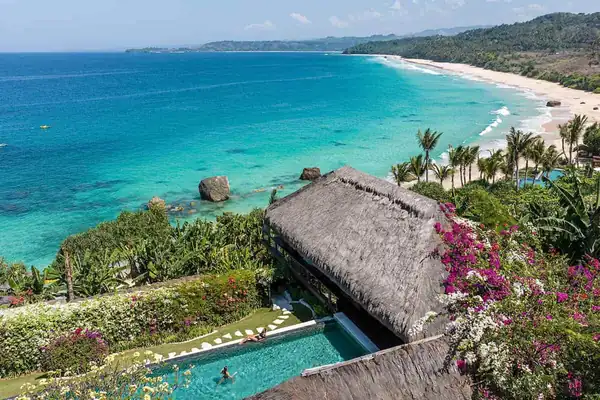 Luxury
Some links are affiliate links. If you book through them we may earn a commission, at no extra cost to you.
Island map
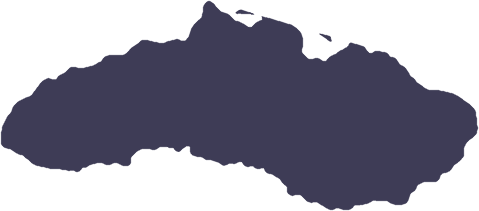
Every beach, waterfall and stay, on one map
Sumba is bigger than it looks. Check the drive between places before you book.
- Things to do
- Stays
- Food
- Airports

Is Sumba Island worth visiting?
Yes. Sumba is a strong choice if you want wild coastlines, waterfalls, traditional villages, surf, open landscapes and a quieter travel experience with much less tourism infrastructure than Bali.
Is it safe to travel to Sumba, Indonesia?
Sumba is generally calm and welcoming, but its remoteness matters. Allow extra road time, avoid unnecessary night driving, carry essentials, use suitable travel insurance and check current Indonesia travel advice before you go.
Do I need a visa to visit?
Visa requirements depend on your passport. Check Indonesia's current entry rules through official immigration channels before departure because eligibility and requirements can change.
When is the best time to visit?
For most travellers, May to October is a useful general window for drier conditions and easier outdoor travel. The drier season is commonly described as June to October, while the wetter period is commonly December to March.
How do I get there?
You can fly from Indonesian hubs such as Bali or Kupang to Tambolaka Airport for the western side of Sumba or Waingapu Airport for the east. Flight frequency varies, so check schedules when booking.
How is the weather and climate in Sumba?
Sumba is tropical and warm year-round. Conditions vary across the island and from year to year, with a generally drier middle of the year and a wetter period around the summer monsoon months.
What is Sumba famous for?
Sumba is known for hidden surf breaks, waterfalls, traditional villages, ikat weaving, Marapu culture, megalithic tombs, horses and the Pasola ritual festival.
What makes Sumba different from Bali?
Sumba is quieter, less commercialised and much less developed for tourism. Bali offers more convenience, restaurants and organised activities, while Sumba rewards travellers who value space, nature and a slower pace.
What are the best destinations to visit in Sumba?
For the western side, prioritise Weekuri Lagoon, Ratenggaro, Mandorak and Lapopu. In East Sumba, Wairinding, Walakiri and Tanggedu are strong starting points. Choose your base around the attractions you care about most.
What are the top reasons to visit Sumba?
Weekuri Lagoon, Walakiri sunsets, Wairinding's hills, Tanggedu and Lapopu waterfalls, traditional villages, ikat weaving, surf, remote beaches and Sumba's strong cultural identity are among the main reasons to visit.
What is the best way to get around Sumba?
For most travellers, a private car with a local driver is the easiest option. Attractions are spread out, public transport is limited and road conditions can make short-looking distances take longer than expected.
What cultural experiences should I prioritise?
Traditional village visits and ikat weaving are easy to build into many itineraries. Pasola is another major cultural event, but its dates are not fixed and are confirmed locally closer to the festival.
Do I need to follow any etiquette when visiting villages?
Yes. Dress respectfully, ask before taking close photographs, follow local guidance around homes and sacred spaces, and carry small cash because donations or local guide fees are common in villages that receive visitors.
Should I bring cash to Sumba?
Yes. Carry enough cash for daily spending, smaller attractions and village visits, particularly outside Tambolaka, Waikabubak and Waingapu where ATMs and card facilities can be limited.

Sumba travel tips, once a month
New guides, places to stay and island news.