
Sumba travel guide
Your guide to everything Sumba.
Beaches, waterfalls, villages, surf and the best places to stay, all in one place.
Sumba at a glance
Sumba is the escape Bali used to be
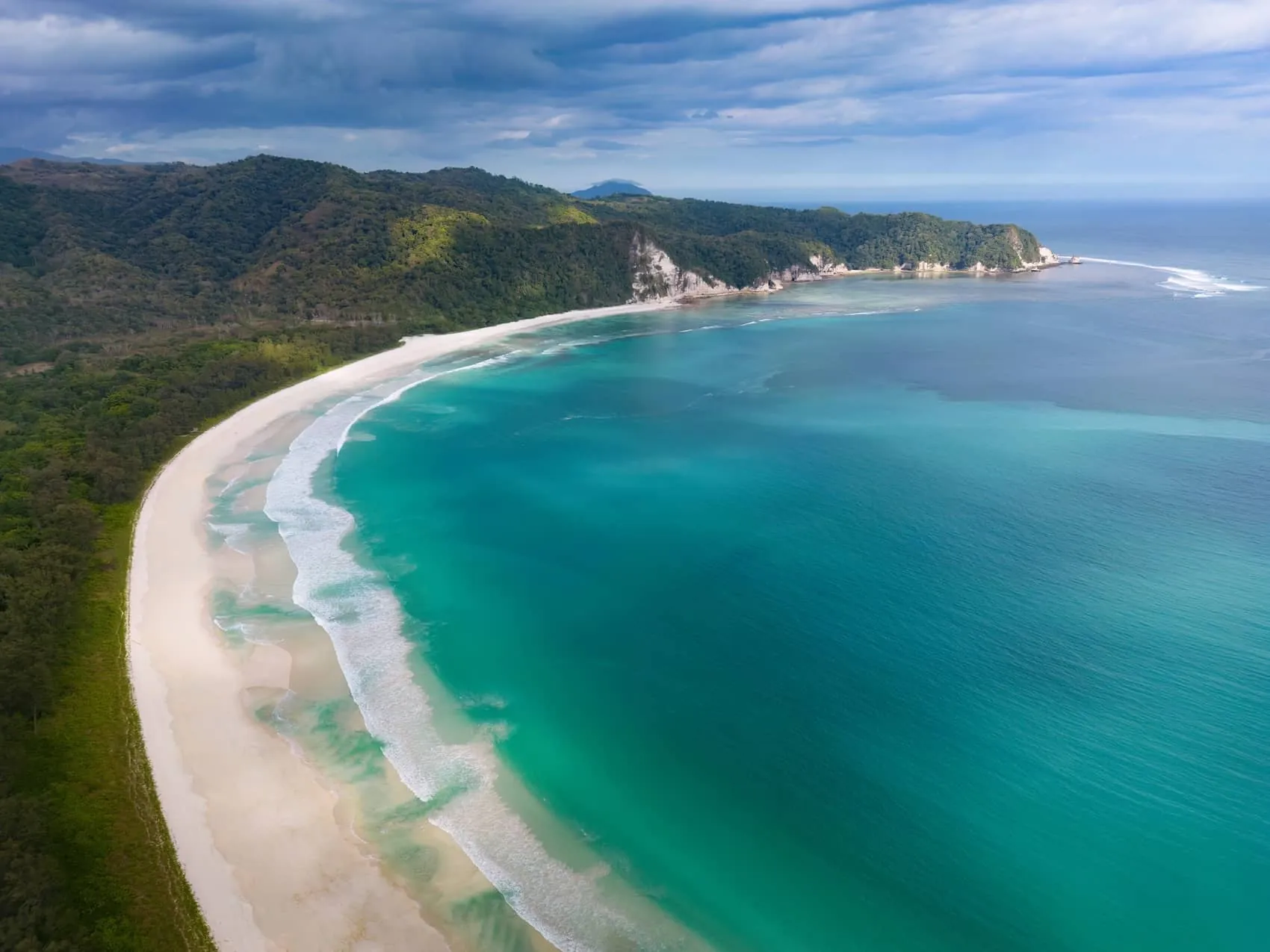
Empty beaches, hidden surf breaks, limestone waterfalls and open savannah, with far fewer crowds and much less building than Bali. The places to stay are world class, and the island still feels like itself.
Best time to visit
May to October, for drier days, calmer seas and easier roads.
Getting there
Fly via Bali to Tambolaka (TMC) in the west or Waingapu (WGP) in the east.
Getting around
A private driver is easiest. Distances are longer than they look.
Visas
It depends on your passport. Australians usually need a Visa on Arrival or e-VoA.
Start here
How to plan a trip to Sumba
Six steps, from booking the flight to visiting a village the right way.
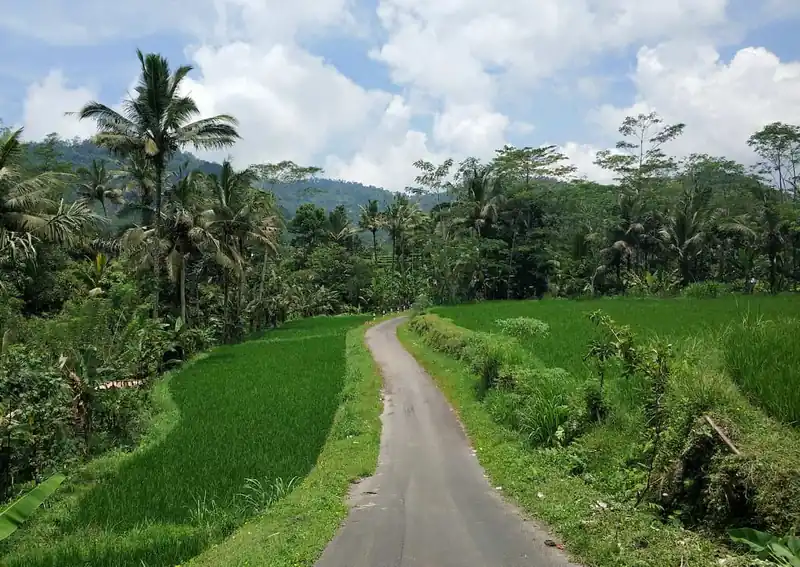
Step 1 of 6
Plan your arrival
Getting to Sumba
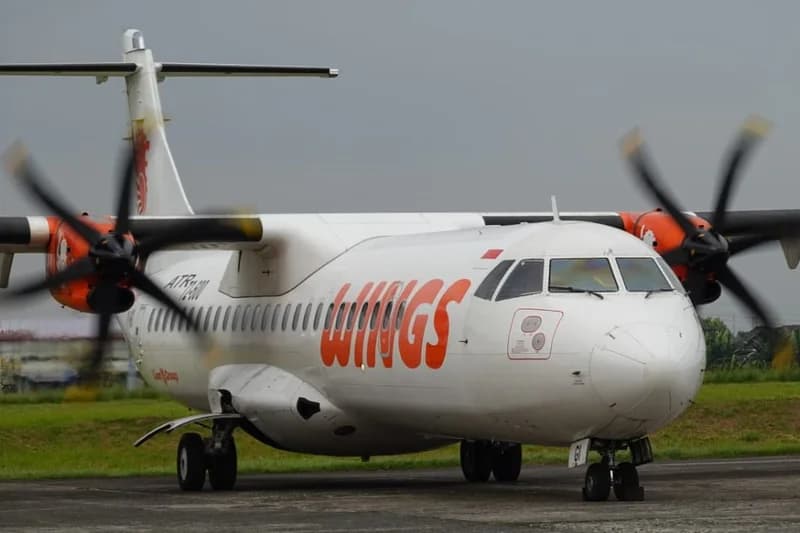
Most travellers come through Bali, with short domestic flights to Tambolaka (TMC) or Waingapu (WGP). Connections are simple to arrange.
Check visa requirements
Visa rules depend on your passport. Check the current Indonesia entry rules before you leave and apply only through official channels.
Things to do
What Sumba is best known for
From pristine beaches to breathtaking waterfalls and vibrant cultural traditions, Sumba is a paradise for adventurers, nature lovers, and culture seekers.
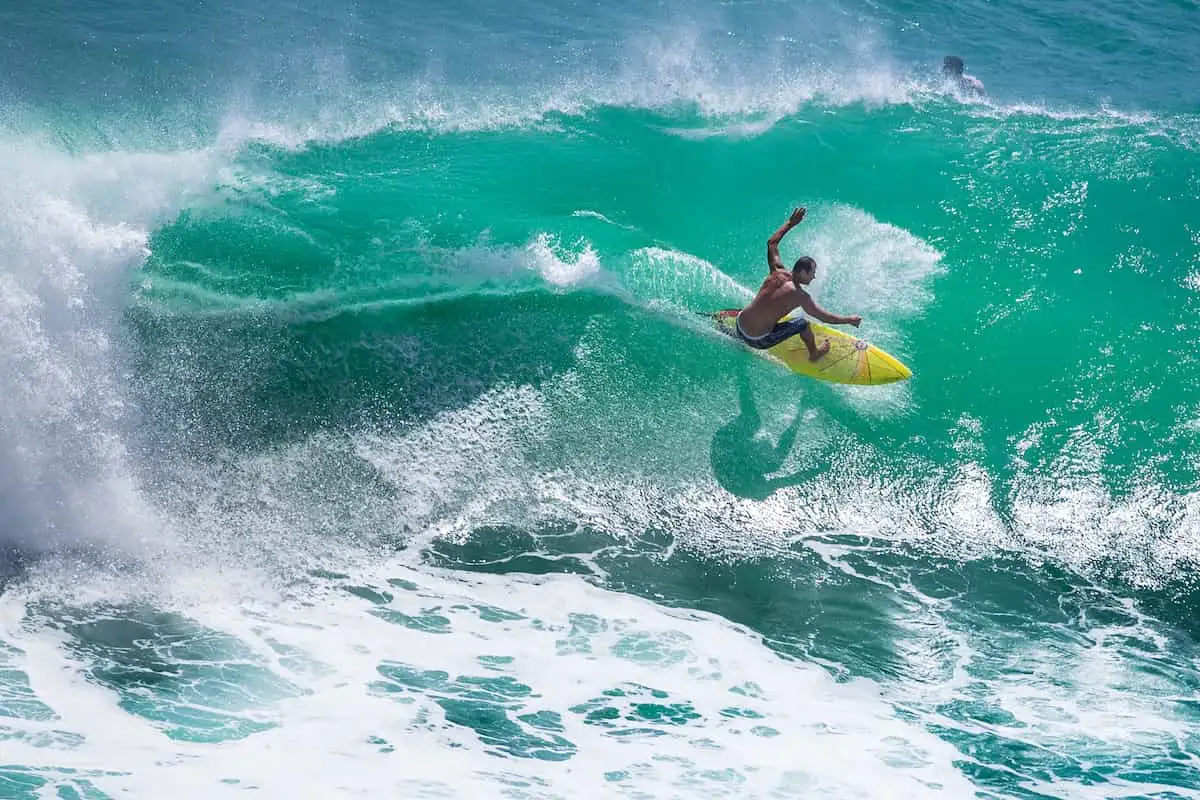
Surf World-Class Waves
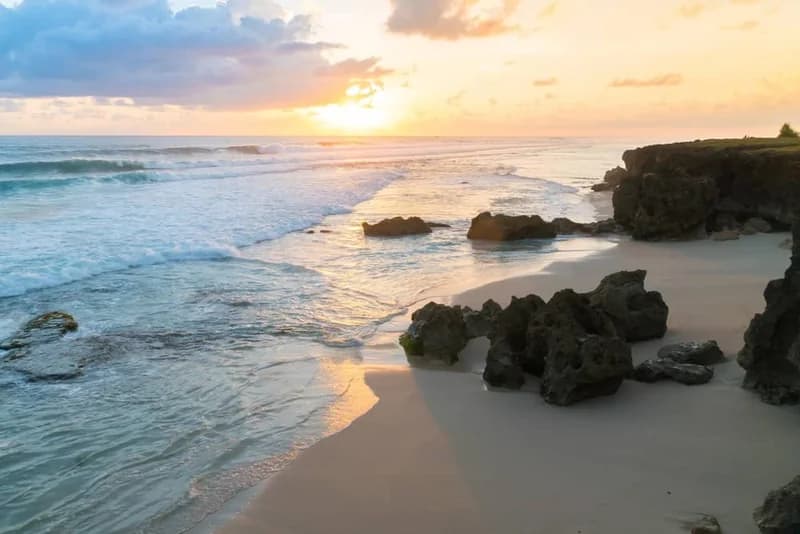
Sumba is a surfer’s haven with incredible beaches like Pantai Marosi and Pantai Nihiwatu offering some of the best waves in Indonesia. Whether you’re a beginner or a seasoned surfer, Sumba’s surf scene is unforgettable.
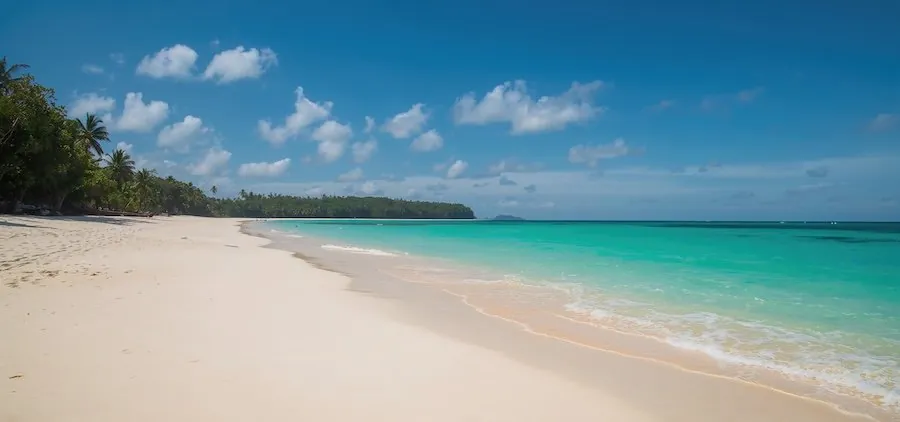
Visit Stunning Beaches
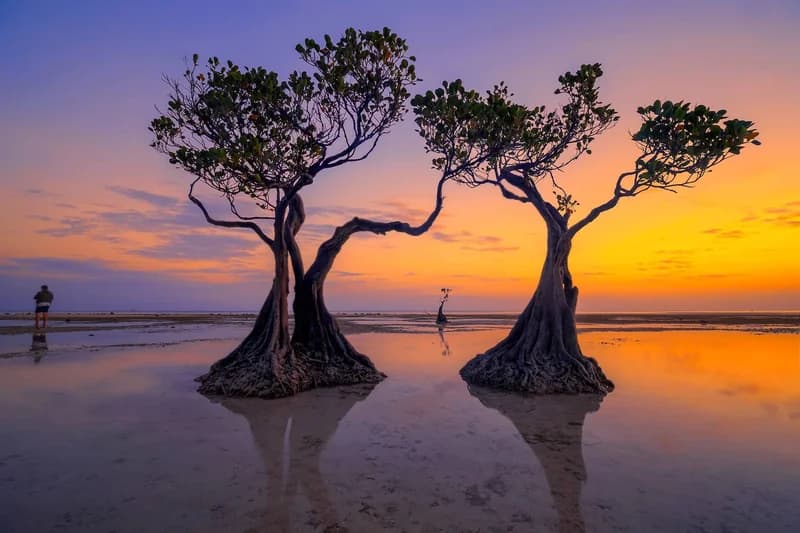
Relax on Sumba’s untouched beaches like Pantai Tarimbang and Walakiri Beach, where white sands meet turquoise waters. Don’t miss Walakiri’s iconic mangrove trees at sunset for the perfect photo.
Discover Hidden Waterfalls
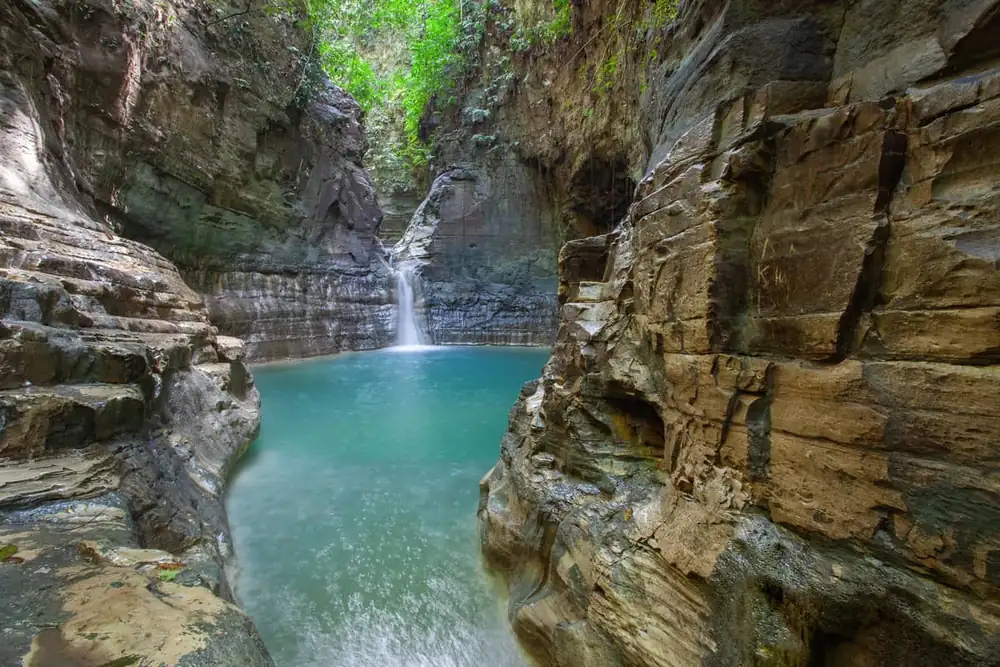
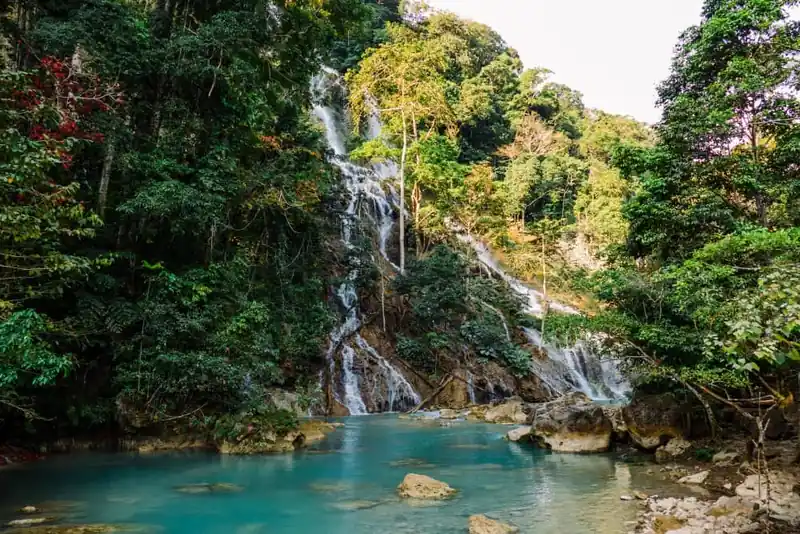
Hike through lush jungles to discover Sumba’s majestic waterfalls, such as Lapopu Waterfall, the tallest on the island, or Matayangu Waterfall, set within a pristine natural reserve.
Explore Traditional Villages
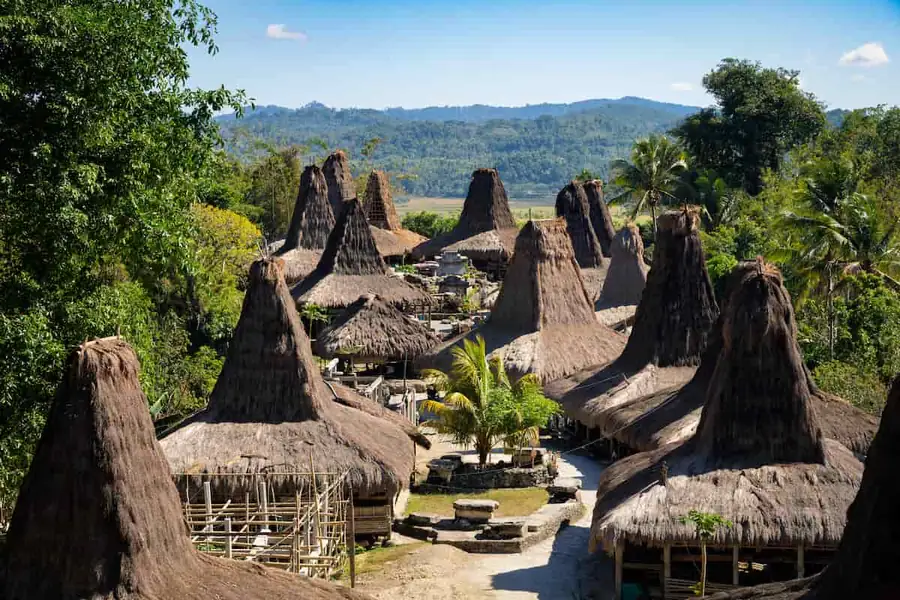
Immerse yourself in Sumba’s rich cultural heritage by visiting traditional villages like Ratenggaro and Prai Ijing. See unique thatched-roof houses and learn about the ancient traditions still alive today.
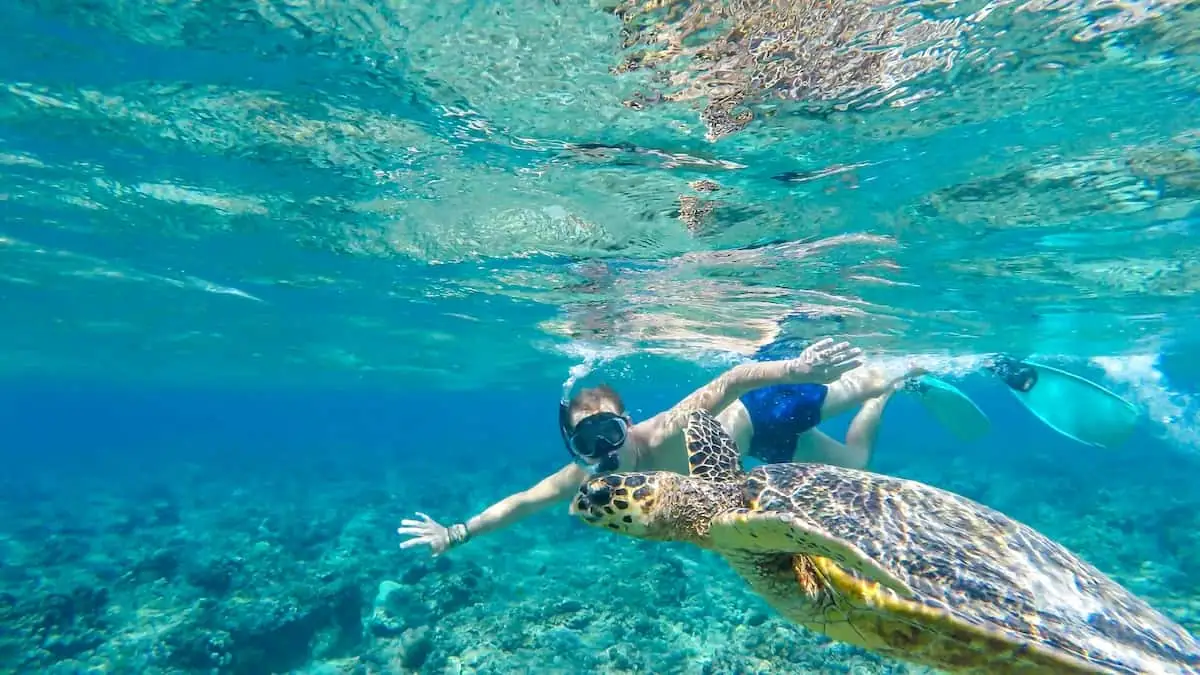
Snorkel or Dive in Crystal Waters
Explore clear coastal waters and vibrant coral reefs, ideal for relaxed snorkelling away from heavy tourism.
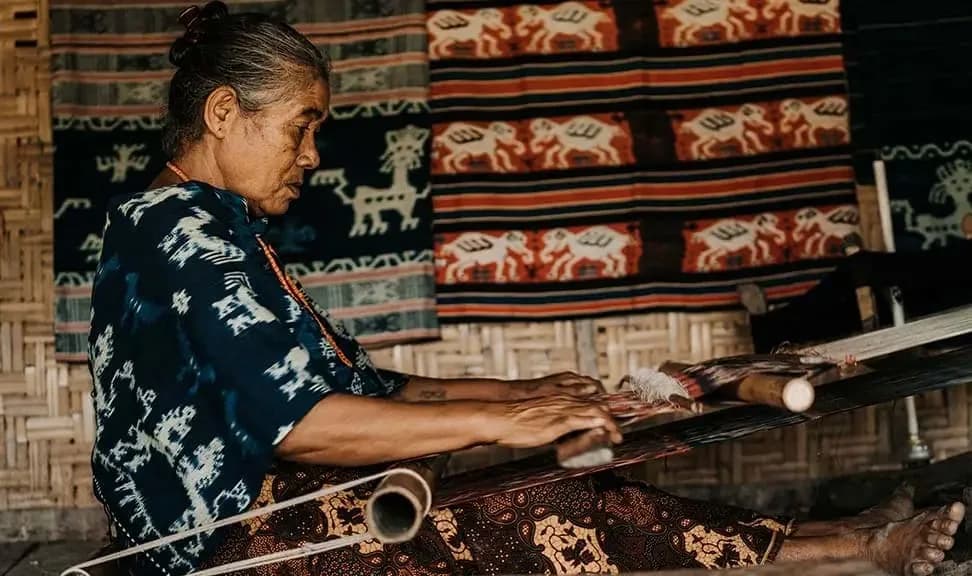
Indulge in Sumbanese Culture
Immerse yourself in Sumba’s unique culture by exploring traditional villages, witnessing Ikat weaving, and learning about ancient customs that are still practiced today. Each visit offers a glimpse into Sumba’s rich heritage.
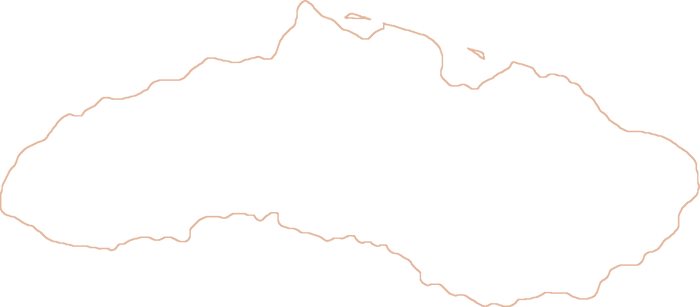
Regions
Pick the part of Sumba you want to see
From quiet surf beaches to traditional villages, each region has its own character.
Latest guides
New on Sumba Guide
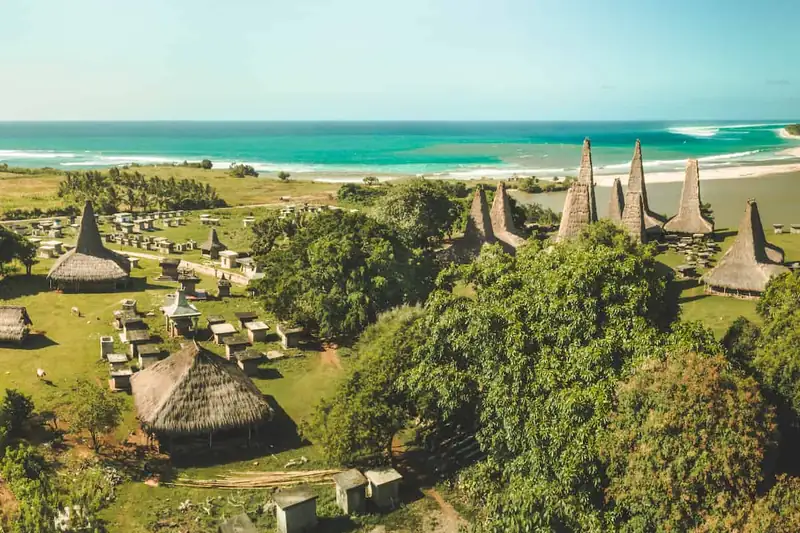
Villages & culture
Ratenggaro Village: traditional houses, stone tombs and visitor guide
A living village in Kodi Bangedo, Southwest Sumba.
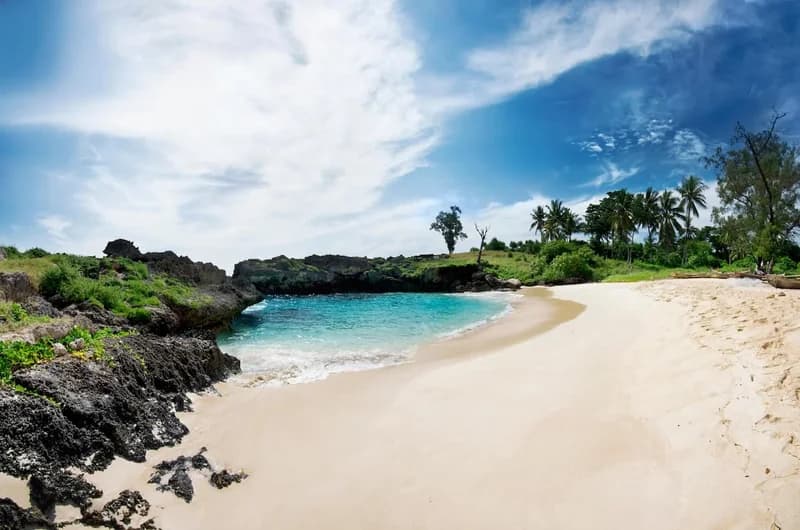
Beaches
Mandorak Beach: what to expect, best time to visit and swimming tips
A tiny white-sand cove in Kodi Utara.
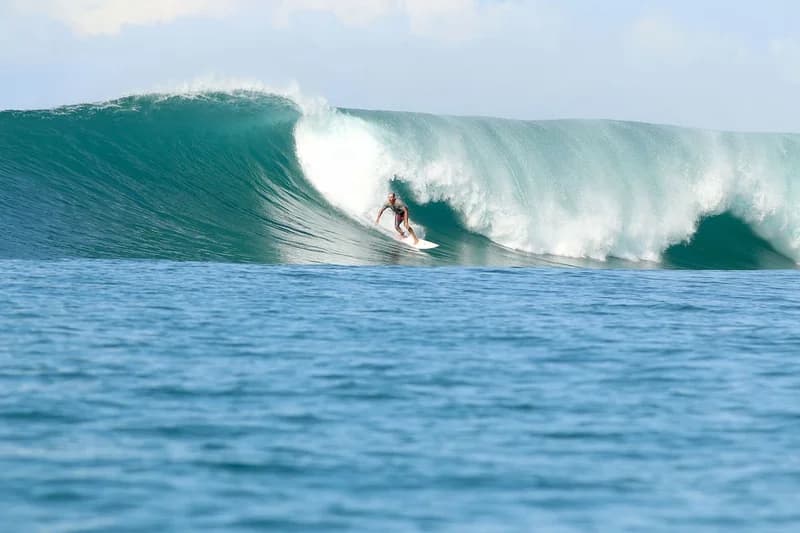
Surf
Miller's Right: surf guide, best conditions and travel tips
A long right-hand reef wave at Tarimbang.
Where to stay
Where to stay in Sumba
- HotelsIn the three main towns
- ResortsDining, spa and activities
- Surf campsClose to the breaks
- Villas and guest housesSmall, close to village life
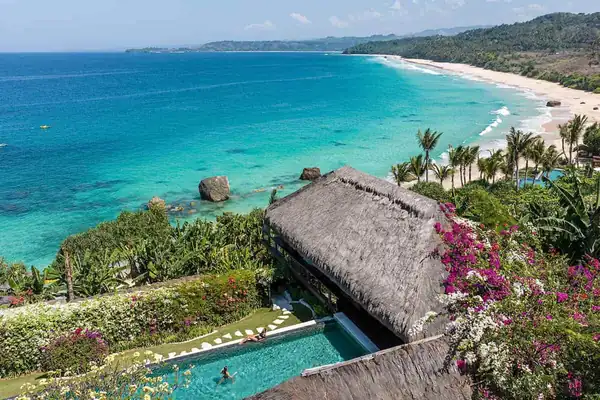
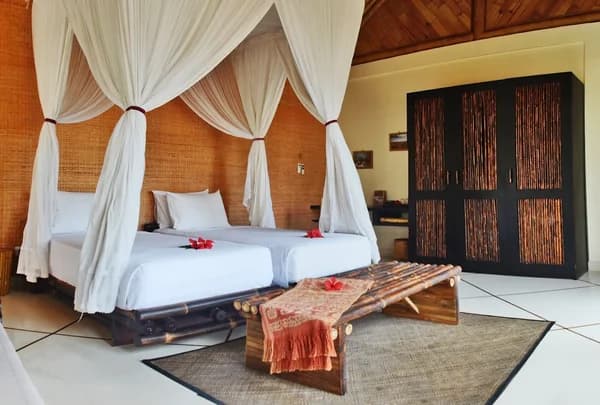 Eco resort
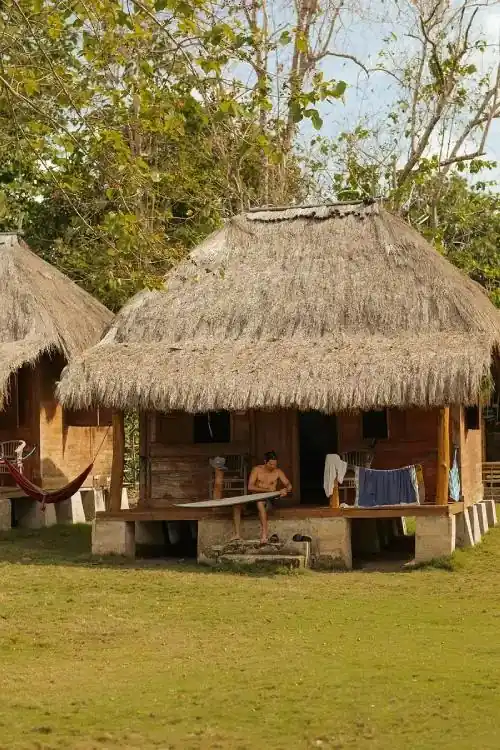 Eco lodge
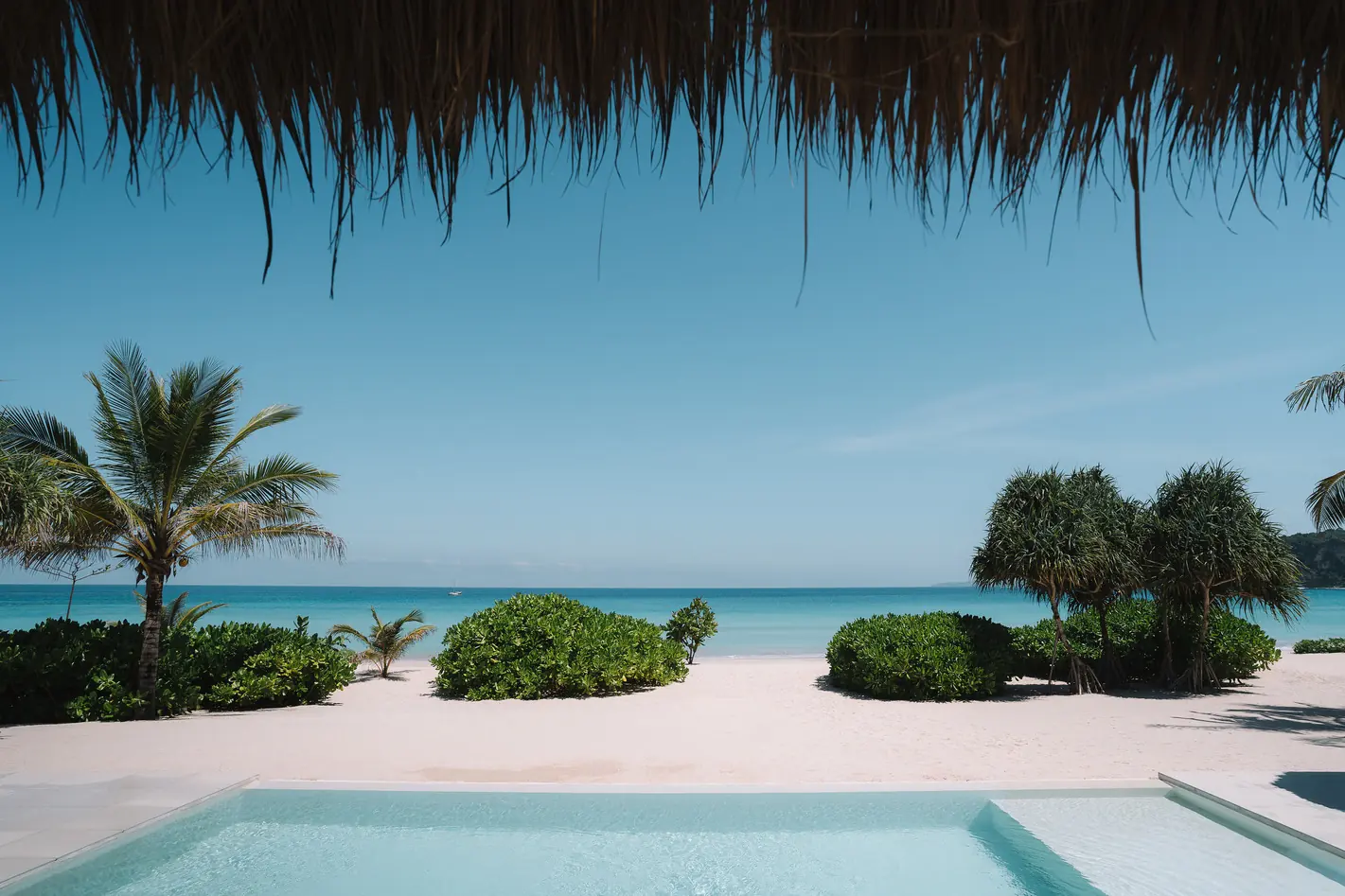 Beach resort
- Luxury
Some links are affiliate links. If you book through them we may earn a commission, at no extra cost to you.
Island map
Every beach, waterfall and stay, on one map
Sumba is bigger than it looks. Check the drive between places before you book.
- Things to do
- Stays
- Food
- Airports




Sumba FAQs
Everything you need to know
Answers to the questions travellers ask most: safety, visas, the best time to go, getting here and getting around.
All Sumba FAQs →Is Sumba Island worth visiting?
Yes, if you want an untouched island with raw natural beauty and a more remote feel than Indonesia's busier islands. Sumba is a dream destination for travellers seeking natural beauty, with quiet beaches, wide savannah hills, dramatic waterfalls and a cultural heritage that remains strong in villages and daily life.
Is it safe to travel to Sumba, Indonesia?
Yes, Sumba is generally a calm, welcoming place to travel. Like any more remote island, a little planning goes a long way:
- Allow extra time on the roads as drives can be long and some routes are slow, especially after dark.
- Plan for the island's remote feel by carrying essentials and having travel insurance, as medical services are more limited outside the main towns.
- Check current travel advice for Indonesia and follow local guidance during your stay.
Do I need a visa to visit?
It depends on your passport. For Australians travelling for tourism, Indonesia typically requires a Visa on Arrival (VoA) or e-VoA for short stays, and you should use official channels when applying.
Because entry rules can change, it's smart to check the latest details on:
- Indonesia's official e-visa site
- Your government travel advice page.
When is the best time to visit?
For most travellers, May to October is the sweet spot because it aligns with the drier part of the year and makes road travel and outdoor days easier.
How do I get there?
You can fly from hubs such as Bali (DPS) or Kupang (KOE) into:
- Tambolaka (TMC) for West Sumba
- Waingapu (WGP) for East Sumba
Flight frequency varies by route and season, so check schedules when booking.
How is the weather and climate in Sumba?
Sumba is tropical and warm year-round. In simple terms:
- Drier season: commonly described as June to October
- Wetter season: commonly described as December to March
Shoulder months can be great too, but conditions vary year to year.
What is Sumba famous for?
Sumba is best known for:
- Hidden surf breaks, breathtaking waterfalls, and a deeply rooted local culture
- Traditional villages with striking architecture
- Ikat weaving
- The Pasola ritual festival (dates vary year to year and are confirmed locally closer to the time)
What makes Sumba a more attractive destination than Bali?
If you want Indonesia at its most untouched, offering raw natural beauty, Sumba is the better pick.
Sumba gives you quiet beaches, wide-open hills, hidden surf breaks, and waterfall days that still feel like a real discovery. Sumba's cultural heritage remains strong, from traditional villages to Ikat weaving that is still made by hand. And if you love comfort as much as adventure, it is where adventure and tranquillity, luxury and authenticity can sit side by side, with world-class stays where luxury meets sustainability.
Bali is easier. Sumba is the one you will talk about long after you are home.
What are the best destinations to visit or stay in Sumba?
A simple way to choose is to split it into West vs East:
West Sumba (Tambolaka side)
West Sumba highlights include:
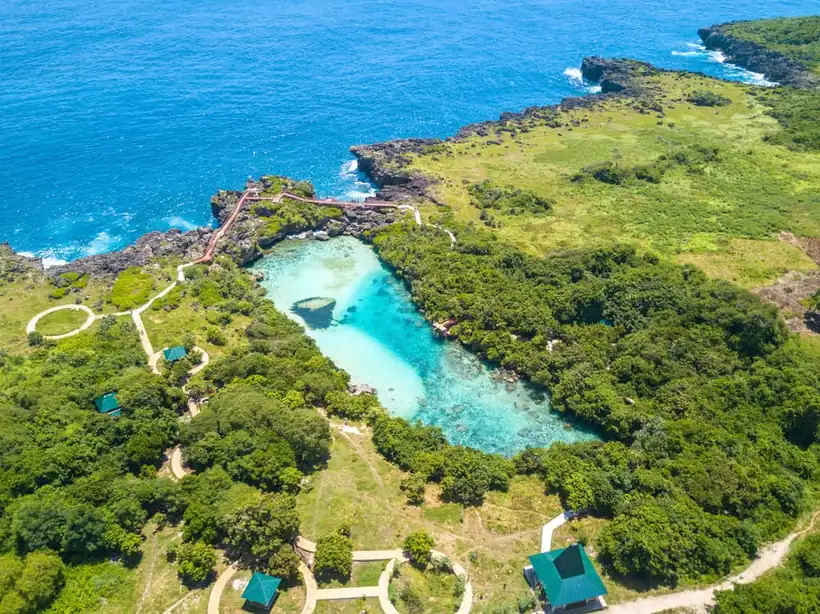
- Weekuri Lagoon (a clear, often salty lagoon)
- Ratenggaro Traditional Village (traditional thatched-roof houses and local culture)
- Mandorak Beach
- Lapopu Waterfall
A strong option if you want iconic west-coast scenery and easier access to several highlights
East Sumba (Waingapu side)
East Sumba favourites include:
- Bukit Wairinding (wide rolling hills and big views)
- Walakiri Beach (famous for its mangrove trees at sunset)
- Tanggedu Waterfall
Great for wide-open landscapes, sunrise and sunset chasing, and dramatic river canyons
If you are doing one base only, pick the side that has the sights you care about most. If you want both sides, plan a route that includes an overnight move across the island.
What are the top 10 reasons to visit Sumba?
- Weekuri Lagoon's clear water
- Walakiri Beach sunsets and mangroves
- Bukit Wairinding's rolling hills
- Tanggedu Waterfall and canyon scenery
- Lapopu Waterfall in lush forest
- Traditional villages like Ratenggaro
- Ikat weaving and living craft traditions
- A real sense of remoteness and quiet
- Surf, beaches, and big coastal landscapes
- World-class accommodations on the luxury end like the award-winning Nihi Sumba, with a growing commitment to sustainable luxury tourism in parts of the island
What is the best way to get around Sumba?
For most travellers, the best option is still a private car with a driver. It saves time, reduces stress, and helps with routes where navigation and road conditions can slow you down.
What cultural experiences should I prioritise?
Two unforgettable cultural experiences are:
- Pasola, usually held in late February to March, but dates are not fixed and are confirmed close to the time
- Traditional Ikat weaving, where you can see the process and learn what the patterns represent
Do I need to follow any etiquette when visiting villages?
Yes. In many villages, it is customary to offer a small donation or tip, especially in places that regularly receive visitors. If you have a driver or guide, ask what is appropriate for that village on the day.
Should I bring cash to Sumba?
Yes. Carry enough cash for daily spending and village visits, particularly if you are travelling outside the main towns, as ATMs can be limited in rural areas.
Sumba travel tips, once a month
New guides, places to stay and island news.